A Simple Golf Pre-Shot Routine That Works Under Pressure
Five repeatable steps to choose the shot, quiet the noise, trust the swing, and protect the next decision.
The simple answer
A useful pre-shot routine closes decisions before the swing begins.
Stand behind the ball, gather the necessary information, choose the shot, make one useful rehearsal, step in, look at the target, and swing. Golf in Balance then carries the routine beyond impact with Accept, Finish, and Now so one result does not disturb the next shot.
What a pre-shot routine is really for
A routine is not a guarantee of good contact. It is a structure for attention. It helps you handle the parts of the shot that are under your control: the decision, target, commitment, pace, and response.
After more than 30 years as a PGA Golf Professional, I have seen many golfers turn a routine into another technical checklist. They stand over the ball checking grip, shoulders, hips, takeaway, backswing, and finish. That is not clarity. It is six separate commands competing with one athletic movement.
The routine should prepare the swing—not supervise it.
The three parts of every golf shot
1. Decision
Read the lie, conditions, distance, trouble, and target. Choose the club and intended ball flight.
2. Motion
Cross from planning into playing. Use one feel at most, look at the target, and let the body swing.
3. Recovery
Finish the motion, accept the result, learn what is useful, and return to the present.
Most overthinking happens when these parts are mixed together—technical analysis enters the motion, or the previous result enters the next decision.
The five Golf in Balance steps
Target
See the shot, choose the line, and commit.
Swing
Move athletically without steering or grabbing.
Accept
Let the result be true without emotional drama.
Finish
Complete the movement and hold your balance.
Now
Leave the last shot and return to this one.
The first two words prepare and execute the shot. The final three protect the next shot.
A simple golf pre-shot routine
- Gather information behind the ball. Check the lie, wind, distance, elevation, trouble, and the best place to miss. Do not collect information you cannot use.
- Choose one clear target. Select a precise start line and picture the intended ball flight. Make the club decision final.
- Make one purposeful rehearsal. Rehearse rhythm, length, or one familiar feel. A rehearsal is preparation, not an inspection.
- Step in and set the club. Build your stance in the same comfortable order. Look at the target and allow your attention to move outward.
- Use a trigger and swing. A final look, small waggle, breath, or grounding of the feet can signal that thinking is finished. Then let the motion happen.
If real doubt returns after you address the ball, step away. Restarting is not weakness; it protects commitment.
What happens after impact matters too
Traditional pre-shot routines often stop at the takeaway, but a golfer also needs a dependable response after the ball is gone.
- Finish: complete the swing and hold your structure. Balance gives honest feedback without adding a technical lecture.
- Accept: acknowledge the ball flight and outcome. Acceptance does not mean liking the shot; it means ending the argument with reality.
- Now: take the information you need, then leave the shot. Walk into the next decision without carrying the last result.
This complete shot cycle is one of the main differences in Golf in Balance. The routine prepares both the current swing and the mind that must play the next one.
The twelve-shot routine drill
Use this range exercise to make the routine transferable to the course.
- Shots 1–4: Use a short iron or wedge. Pick a new target every time and complete the routine at a comfortable pace.
- Shots 5–8: Change clubs and imagined ball flights. Limit yourself to one rehearsal and one swing cue.
- Shots 9–12: Create a fairway or green with a safe side and a trouble side. Make a full decision before every ball.
Record four simple answers after each shot: Was my target clear? Was I committed? Did I finish in balance? Did I accept the result? Do not grade only the strike.
Use the same structure for putting
The putter does not need a completely different mental system:
- Read the slope and choose the pace.
- Select the start line.
- Make one rehearsal for distance feel.
- Set the face, build the stance, and look at the target.
- Roll the ball, hold the finish, accept the result, and move on.
For a short putt under pressure, the routine becomes more valuable—not more complicated.
How to keep the routine under pressure
Keep the order
Nerves may change how you feel, but they do not need to change the sequence. Use the same order and a comfortable pace.
Shorten the words
When pressure rises, return to the simplest version: Target. Swing. Accept. Finish. Now.
You do not have to eliminate nerves before swinging. The routine gives you something clear to do while nerves are present.
Common pre-shot routine mistakes
- Using several technical swing thoughts instead of one intention.
- Taking more practice swings after the decision is already clear.
- Changing clubs or targets while standing over the ball.
- Rushing easy shots but becoming extremely slow on difficult ones.
- Judging whether the routine worked only by the result.
- Practicing technique on the range without ever practicing the routine.
A strong routine is simple enough to survive a bad hole, a tournament tee, an awkward lie, or a nervous three-footer.
Golf Pre-Shot Routine Questions
What is a golf pre-shot routine?
A golf pre-shot routine is a repeatable sequence that helps you gather information, choose a target, commit to the shot, and begin the swing without adding last-second instructions.
How long should a pre-shot routine take?
It should be brief, natural, and reasonably consistent. The goal is not to copy an exact number of seconds but to avoid both rushing and unnecessary delay.
Should I use the same routine for every club?
Keep the basic structure the same while allowing the details to fit the shot. A putt needs a read and pace decision, while a drive needs a start line, shape, and safe side.
What if I feel doubt after addressing the ball?
Step away and begin again. Forcing the swing while genuinely undecided trains hesitation. A reset is better than standing over the ball and adding corrections.
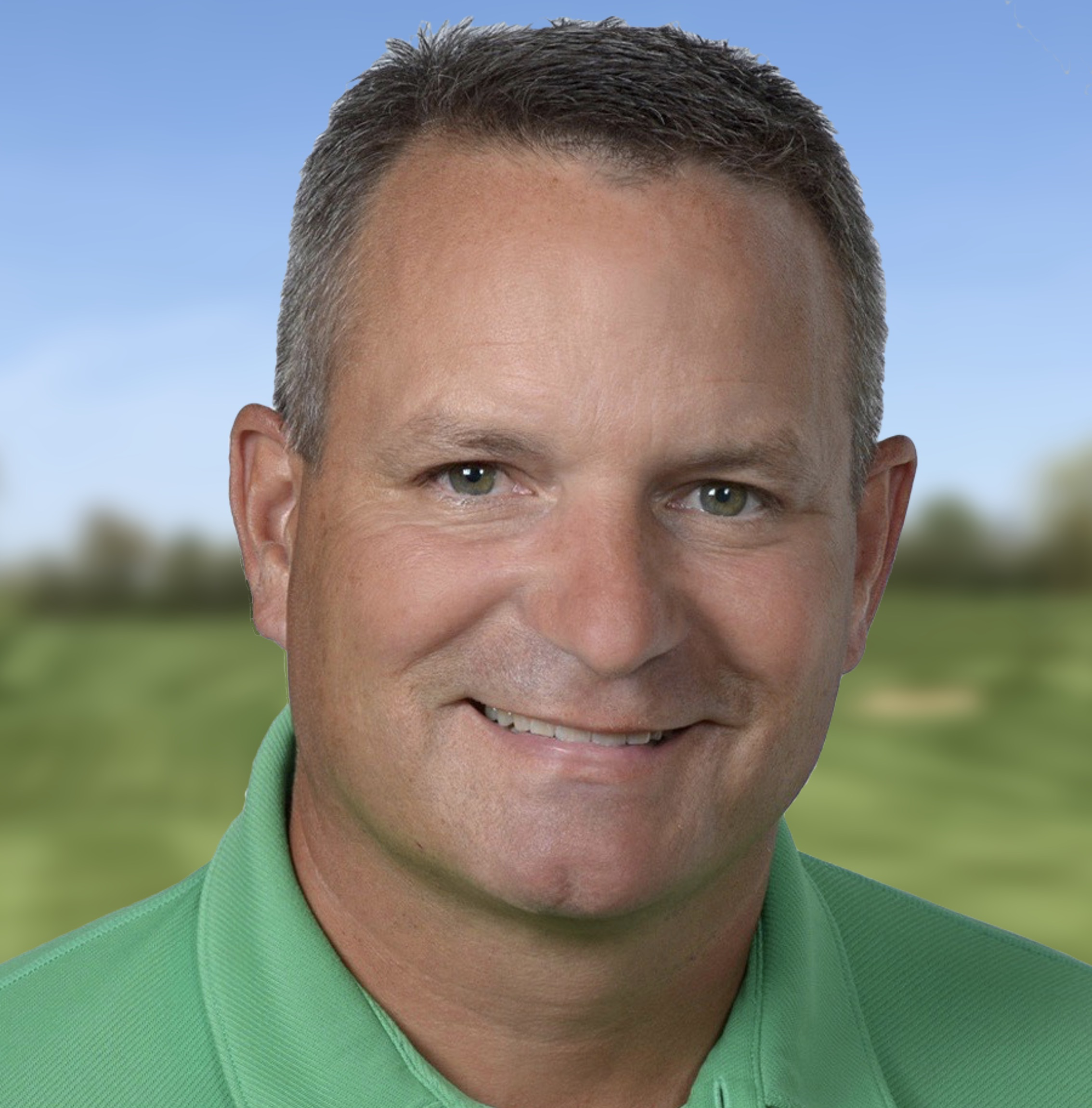
About Blain Bertrand
Blain Bertrand began playing golf at age six and built a career of more than 30 years as a PGA Golf Professional and Head PGA Professional in Germany. Golf in Balance grew from his experience helping golfers connect technique with clarity, rhythm, acceptance, and trust.
Practice the complete five-step routine
Explore the Golf in Balance framework or carry the free routine card during your next round.